


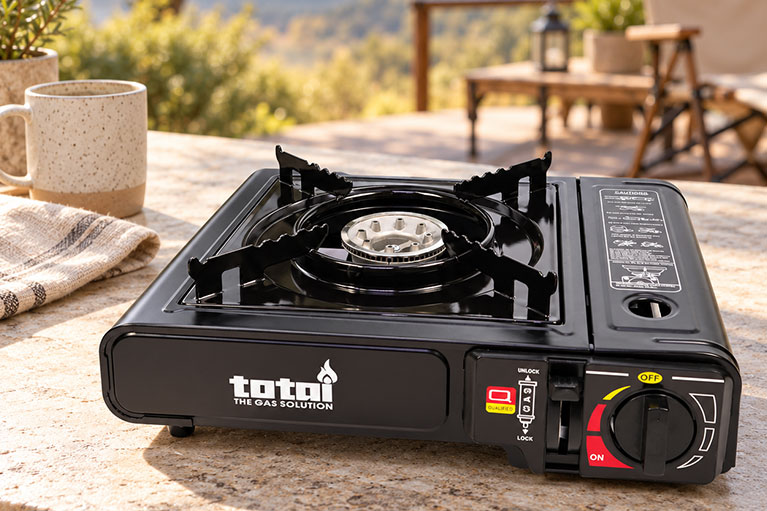
You need an appropriately registered gas installer to install a domestic gas stove or built-in gas hob in South Africa. Unless you hold the required registration yourself, this is not a DIY job. Your installer must be registered with SAQCC Gas for the relevant type of gas work and issue a Certificate of Conformity once the installation is completed and compliant.
Whether you are upgrading your kitchen or purchasing your first Totai gas stove, professional installation is an essential part of getting your appliance ready to use.
Here is what you need to know about gas stove installation in South Africa, choosing a certified gas installer and keeping the correct paperwork.
What Does South African Law Say About Gas Stove Installation?
Gas installations fall under the Pressure Equipment Regulations, 2009, issued under the Occupational Health and Safety Act.
Regulation 17 requires an authorised person to install or remove a gas appliance or gas system. It also requires an external inspection and leak test after installation or reinstallation, before the system is commissioned.
For homeowners, this means that connecting a domestic gas stove is more than attaching a hose and checking whether the burners light. The installation must meet the applicable safety requirements and be inspected, tested and certified.
A qualified plumber, electrician or general handyman is not automatically authorised to install gas appliances. They must also hold the appropriate gas practitioner registration.
What Is a Certified Gas Installer?
“Certified gas installer” is a common term for a professional authorised to carry out gas installation work. In South Africa, the credential homeowners should verify is current SAQCC Gas registration covering the work required.
Different practitioners have different registration categories and scopes of work. For an LPG stove installation, choose someone registered for the relevant LPG installation work.
Before booking an installer:
- Ask for their SAQCC Gas registration number and identification.
- Verify their current registration through the SAQCC Gas practitioner database.
- Confirm that their registration covers your installation.
- Request a written quotation explaining what is included.
- Confirm that you will receive a Certificate of Conformity once the installation complies.
Checking these details before work starts helps you choose an appropriately authorised professional.
Why Should You Avoid DIY Gas Stove Installation?
An appliance can appear to work while the installation still has a leak, an unsuitable component or an unsafe layout.
Professional installation addresses the complete gas supply arrangement, including the appliance connection, regulator, pipework, cylinder position and ventilation.
Gas Leaks and Fire Risks
Incorrect connections or unsuitable fittings can allow gas to escape. A registered installer carries out the required checks and leak testing before handing over the installation.
Incorrect Gas Type or Pressure
The gas supply must match the appliance’s specifications. Using an incorrect regulator or attempting an unauthorised gas conversion can compromise safe operation.
Always follow the instructions for your specific Totai model and leave installation adjustments to an appropriately registered practitioner.
Unsuitable Positioning
The stove, surrounding surfaces and gas supply arrangement must meet applicable installation requirements. Cylinder positioning also needs assessment; an available cupboard or convenient outdoor corner is not automatically a compliant location.
Warranty and Insurance Complications
Incorrect installation can affect your manufacturer’s warranty. Totai’s published appliance warranty policy requires proof of purchase and a certificate from a certified gas installer.
A non-compliant installation may also affect an insurance claim. The outcome depends on your policy wording and the circumstances, so confirm your insurer’s requirements and keep your installation records.
What Is a Gas Certificate of Conformity?
A Gas Certificate of Conformity, commonly called a gas CoC, records that the installation covered by the certificate complies with the applicable requirements.
It is separate from your purchase receipt and product warranty. Buying an approved appliance does not certify the installation in your home.
The Pressure Equipment Regulations require a CoC after completion of a gas installation, modification or alteration, and on a change of user or ownership.
After installation, keep your certificate with:
- Your appliance’s proof of purchase.
- The installation invoice.
- Your product manual and warranty information.
- Relevant maintenance and service records.
Check that the certificate correctly identifies your property and the work completed. An existing certificate should not be assumed to cover later changes to the installation.
What Does a Registered Gas Installer Check?
The exact work depends on your appliance and property. For a domestic gas stove installation, the assessment typically includes:
- Compatibility between the appliance and gas supply.
- The regulator and required operating pressure.
- Suitable pipework, connections and isolation arrangements.
- Cylinder positioning and applicable clearances.
- Appliance positioning and surrounding materials.
- Ventilation and the manufacturer’s installation instructions.
- Gas tightness and safe appliance operation.
These checks are why it is useful to involve your installer before finalising kitchen alterations or deciding where the gas cylinder will go.
Can I Replace an Existing Gas Stove Myself?
Replacing an existing gas stove still requires an appropriately registered installer.
An existing gas connection does not mean a replacement appliance can simply be connected without assessment. The new stove may have different specifications, and the existing installation may need attention.
Give your installer the replacement model details and your current CoC. They can assess the installation, complete the connection and provide the required certification for the work.
Do not assume that a certificate issued for your previous stove automatically covers the replacement.
What About Portable Gas Cookers?
A portable cooker designed for user connection and operation is different from a domestic stove or hob requiring installation.
Follow the instructions for the exact product, including its intended location of use, compatible gas supply and connection requirements. Never assume that a freestanding kitchen stove qualifies as a portable appliance simply because it is not built into a countertop.
If you are unsure which requirements apply to your Totai product, confirm with Totai or an appropriately registered gas practitioner before connecting it.
How Can I Prepare for a Gas Stove Installation?
You can make the process smoother without carrying out gas work yourself.
Choose your appliance and share its specifications. Give the installer the model number and installation manual so they can assess the requirements.
Arrange an assessment before making alterations. Confirm the proposed stove and cylinder positions before cutting cupboards, drilling walls or buying installation materials.
Ask for an itemised quotation. Establish whether materials, testing, certification and any necessary alterations are included.
Check any electrical requirements. Some models need electricity for ignition, lighting or an electric oven. Confirm this for your chosen appliance and arrange suitable electrical work where required.
Keep access clear on installation day. Make the work area accessible and have the appliance documentation available.
How Much Does Gas Stove Installation Cost in South Africa?
There is no single installation price that suits every home.
The cost depends on the appliance, the existing gas infrastructure, the length and route of pipework, the cylinder arrangement and any work needed to achieve compliance.
When comparing quotations, check the full scope rather than choosing on price alone. A useful quote should make it clear what installation materials, labour, testing and certification are included.
Install Your Totai Gas Stove with Confidence
A new gas stove starts with the right appliance and a compliant installation.
If you are planning to install a gas stove in South Africa, book an appropriately registered gas installer, follow your model’s installation requirements and obtain your Gas Certificate of Conformity.
Explore Totai’s gas cooking range, choose the appliance that suits your kitchen and make professional installation part of your purchase plan.
